
Legendary Pirate Crew
Guangzhou Changjian Technology Co., Ltd.Role Playing
4.479.00 Reviews
- Version
- 1.0.2
- Installs
- 10.00K
- Age Rating
- Teen
Screenshots






Our Review of Legendary Pirate Crew
 Analysis by Appyee
I approached Legendary Pirate Crew as a mobile role-playing game about assembling a pirate team and making choices about how to strengthen it. Its appeal is less about a single hero and more about the longer process of turning a collection of characters into a crew that can handle tougher challenges. The pirate setting gives that familiar progression loop a distinct frame, and I found the basic idea easy to grasp without needing to treat every session like a major commitment.
The game is free to start, runs on Android 6.0 or later, and is rated Teen. Guangzhou Changjian Technology Co., Ltd. is the developer, and version 1.0.2 is the current release. I see it as a casual-friendly RPG for people who like character growth and crew decisions more than games built around demanding action controls. That distinction is useful before downloading: the satisfaction here comes from how a team develops, not simply from fast reactions.
Legendary Pirate Crew has an average rating of 4.4 from around 657 ratings, with roughly 79 written reviews and over 10K installs. That points to a modest early audience rather than the scale of the best-known mobile RPGs. I would approach it as a developing pirate game with room to find its footing, not as an established giant with a long history of community guides and a settled competitive scene.
Where the real decisions begin
I’d use this section to focus on the small choices that shape a crew over several sessions, rather than treating each encounter as an isolated test. A useful habit is to keep one dependable lineup intact while making just one change at a time; that makes it easier to tell whether an adjustment actually helps. From there, the next question is how to balance immediate progress with a crew that stays flexible.
Building a crew instead of chasing one perfect character
The central question in a pirate role-playing game is not simply whether a character is powerful. It is whether the crew works together well enough to handle the next challenge. That changes how I think about progression. A tempting upgrade may improve one favorite character, but a more modest investment in the wider team can be more useful if it gives the group better balance.
For a new player, I recommend resisting the urge to spend every early resource immediately. First, pay attention to which characters you use repeatedly and which ones solve problems that the rest of the crew cannot. A dependable damage dealer is useful, but a team with no answer to difficult encounters can become frustrating quickly. The best early habit is to compare the practical value of an upgrade with its cost, rather than choosing the most impressive-looking option every time.
This is also where the game’s pirate setting helps. A crew naturally suggests different jobs and personalities, so I found it easier to think in terms of team roles than isolated statistics. Even when the game presents a simple choice, I would ask three questions: does this improve the next few battles, does it remain useful as the roster grows, and does it make the team less dependent on one character?
Planning for the next session, not only the next battle
Short mobile sessions can encourage impulsive decisions. I might open a game while waiting for transport, win a few encounters, and immediately use every reward on the most visible upgrade. With this title, a better approach is to set a small objective before playing. I might decide to strengthen the main crew, test a different lineup, or save resources for a more meaningful improvement.
That planning horizon is important because role-playing progression often rewards patience more than constant spending. If I am only thinking about the current fight, I can waste resources on a temporary solution. If I think several sessions ahead, I can keep enough flexibility to respond when a stronger character, tougher opponent, or more useful team combination becomes available.
This does not mean the game needs to be treated like a spreadsheet. It simply means that the pirate theme works best when I feel like I am managing a growing crew rather than tapping through rewards without a plan. Players who enjoy making small decisions and seeing them accumulate will probably get more from it than players who only want immediate action.
Why the free entry point needs a careful mindset
The game is free to download, but its in-app purchases range from $0.99 to $299.99 per item. That is a significant spread, and it changes how I would recommend approaching the economy. I would start with a strict personal limit, avoid treating a difficult moment as a reason to buy something, and give myself time to decide whether an offer genuinely improves my experience.
The important trade-off is convenience versus control. Spending may make progression feel faster, but it can also remove the satisfaction of earning a stronger crew through planning. For me, the most enjoyable route is to treat purchases as optional rather than as part of the basic cost of playing. Anyone uncomfortable with large purchase options should be especially cautious and use the device’s purchase protections before handing the game to a younger player.
This is one of the clearest situations where another game may be a better fit. If you want a role-playing experience with a fixed upfront price and no large optional purchase range, a premium alternative will offer more predictable budgeting. If you are comfortable with free-to-play progression and can ignore tempting shortcuts, this title remains easier to try without committing money at the start.
Risk and reward in everyday play
The most useful way to play is to separate safe progress from experimentation. When I have a reliable crew, I can use it to secure steady advancement. When I have spare resources or a low-pressure session, I can test a less familiar combination. Keeping those two purposes separate prevents one failed experiment from damaging the team I depend on.
A realistic example is a short evening session after work. I may have only a few minutes, so I use the established crew to make progress rather than rebuilding everything. On a longer weekend session, I can compare different choices and decide whether a less obvious character deserves investment. This rhythm makes the game feel more manageable and reduces the pressure to solve the entire progression system at once.
I also prefer to judge rewards by future flexibility. An upgrade that helps one narrow situation may look attractive, but a resource that supports several crew members can be more valuable over time. That is a small but meaningful strategic distinction: immediate power feels good, while adaptability protects the account from later changes in difficulty or roster needs.
How to react when a plan stops working
Good role-playing games ask players to adapt, and a pirate crew should not be locked into one plan forever. When progress slows, I would not immediately assume that the answer is a purchase or a complete restart. First, I would look at whether the team is too dependent on one character, whether resources have been spread too thinly, and whether I am repeating the same approach without learning from the result.
A practical adjustment is to change one element at a time. If I replace several crew members at once, I cannot tell which decision helped. If I change one role or one investment, the result is easier to understand. This method is slower, but it gives me better information and avoids wasting resources on random experimentation.
That kind of adaptation is especially useful for players new to mobile RPGs. Instead of searching for a supposedly perfect setup, I can build a working team from what I have and refine it gradually. The game’s appeal is less about discovering one universal answer and more about making the available crew perform better through deliberate choices.
What keeps the experience interesting over time
Long-term depth in a game like this depends on whether progression continues to create meaningful decisions. A growing roster can be exciting at first, but collecting characters alone is not enough. I want new options to make me reconsider how I use the crew, not merely provide another item to upgrade in a straight line.
My advice is to avoid developing every available character equally. Focus on a dependable core, then keep a smaller reserve of alternatives for situations where the main plan is ineffective. This creates a useful balance between stability and discovery. It also prevents the common mobile RPG problem of having many partially developed characters but no strong team ready for serious progress.
The game is best suited to players who enjoy gradual improvement. It is not the choice I would make for someone looking for a deep competitive strategy game with extensive tactical explanation or a large social community. With a relatively small audience compared with major role-playing releases, the sense of shared discovery may also be more limited. Players who need constant events, a huge player base, or a highly established meta should look toward a larger alternative.
On the other hand, that smaller scale can be appealing. I do not feel as though I must immediately understand years of accumulated systems before I can begin. The pirate concept is approachable, and the free starting point makes it reasonable to test the progression loop for yourself before deciding whether it deserves regular play.
Who should play it and who should skip it
I would recommend this game to someone who likes pirate themes, character development, and making measured choices with a team. It is a good candidate for short sessions because the basic goal is easy to grasp, while the crew-building angle gives repeat play more purpose than a purely decorative theme would.
I would also suggest it to players who prefer experimenting without paying at the beginning. The free price makes that possible, provided they are willing to treat optional purchases carefully. A Teen rating means it is not aimed at very young children, and the purchase range makes supervision sensible if a shared device is involved.
I would skip it if my priority were premium presentation, a guaranteed fixed budget, or a highly competitive ecosystem. I would also look elsewhere if I wanted direct, skill-based combat to be the main attraction. This is a role-playing game first, so the satisfaction comes from decisions about progression and crew development rather than from reflexes alone.
What I would check before settling in
Before making this a regular game, I would give it a few sessions and notice what actually feels rewarding: seeing the crew improve, trying different combinations, or simply moving through encounters. That quick personal check matters because the pirate premise can attract players who expect swashbuckling action, while the role-playing structure is better suited to people who enjoy progression decisions. If the strategic side feels like busywork rather than a pleasure, there is little reason to force it.
I would also decide in advance how much time and money I want to give a free-to-play game. A short daily visit can be a comfortable fit, but a player who feels compelled to chase every reward may find the routine more demanding than expected. Turning off purchase access on a shared device and setting a clear spending boundary are sensible steps, especially when optional items cover such a wide range. These habits keep the choice to play separate from the pressure to pay.
For players comparing it with other mobile RPGs, the most useful distinction is the kind of attention each game asks for. A reflex-focused action game rewards precise timing, while a large competitive RPG may reward deep knowledge of its established community and systems. This pirate title makes more sense if you want to think about a team in manageable steps. If you enjoy learning a complicated meta or competing against other players, a larger, more established game is likely to provide a richer ecosystem.
My strategy verdict
After spending time with the game, I see Legendary Pirate Crew as an accessible pirate-themed RPG whose strongest quality is the decision space created by building and improving a crew. It does not need to be the biggest game in the category to be enjoyable. Its value comes from giving a player a simple starting point, then asking for increasingly careful choices about investment, flexibility, and timing.
The main caution is the free-to-play economy. The purchase range means I would play with a clear budget and avoid using money to solve every obstacle. I would also keep expectations realistic about scale: this is a smaller release, not an established giant with an enormous community and years of content behind it.
For me, the best way to approach it is as a patient progression game. Build a reliable core, keep alternatives available, test changes one at a time, and judge rewards by how much freedom they preserve later. If that sounds satisfying, the free entry point makes it easy to give the pirate adventure a fair trial. If you want a fixed-price RPG or a more demanding tactical experience, another option will probably serve you better. The right choice depends on whether you value steady crew planning more than instant action.
Verdict
Strengths of Legendary Pirate Crew
- Easy-to-learn controls make it accessible for casual players.
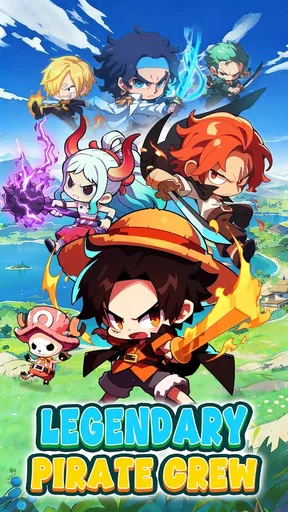
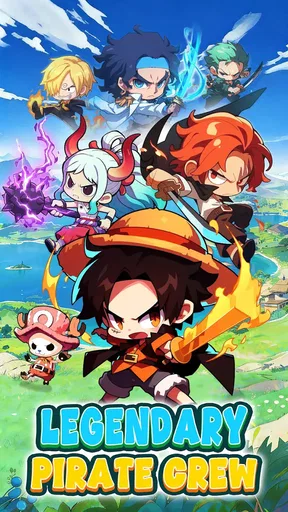
- Pirate-themed visuals and sound effects create a fun atmosphere.
- Short play sessions suit mobile gaming on the go.
- Crew progression gives players a reason to keep playing.
- Works well for fans of lighthearted naval adventure games.
Limitations of Legendary Pirate Crew
- Progress may feel repetitive after extended play sessions.
- Some upgrades can require considerable time or repeated gameplay.
- The pirate theme may not appeal to players seeking realism.
- Limited strategic depth could disappoint experienced strategy fans.
- Performance may vary on older phones or lower-end devices.
Similar Picks in This Category
View All
Hair Dye
CrazyLabs LTD4.4

Monster High™ Beauty Salon
CrazyLabs LTD4.5

Bus Simulator - Bus Games 3D
Jima Apps4.4

Flight Pilot: 3D Simulator
Wildlife Studios4.1


Super Stylist Fashion Makeover
CrazyLabs LTD4.4
Frequently Asked Questions
What is Legendary Pirate Crew about?
Legendary Pirate Crew is a pirate-themed mobile game focused on assembling a crew, exploring dangerous seas, battling rival ships, and improving your captains and vessels. During testing, the game presented a mix of strategic decisions, progression systems, and action-oriented encounters. Players should expect to manage resources, unlock new abilities, and gradually build a stronger crew rather than simply play through a short, linear adventure.
Is Legendary Pirate Crew free to download and play?
The game can generally be downloaded without an upfront purchase, but players should check the current store listing for the exact availability on their Android or iOS device. Like many free-to-play titles, Legendary Pirate Crew may include optional in-app purchases for currency, upgrades, items, or faster progression. These purchases are not necessarily required to begin playing, although they may become more noticeable as challenges and upgrade costs increase.
Does Legendary Pirate Crew require an internet connection?
An internet connection may be required for important features such as account synchronization, advertisements, events, updates, rankings, and in-app purchases. Some parts of the game may remain accessible offline, but this can depend on the version installed and the device being used. Before starting a long session without Wi-Fi or mobile data, it is best to test the game briefly, since unavailable online services can limit progression or prevent access entirely.
Is Legendary Pirate Crew suitable for children?
Suitability depends on the child’s age, the content rating shown in the relevant app store, and how comfortable parents are with cartoon combat, pirate-themed action, advertising, and optional purchases. The game is presented in a stylized entertainment format rather than realistic violence, but younger players may still need supervision. Parents should also review privacy permissions and activate purchase restrictions before allowing unsupervised play.
What devices are compatible with Legendary Pirate Crew?
Compatibility depends on the operating system version, available storage, hardware performance, and the specific release published for Android or iOS. Before downloading, check the official store page for minimum requirements and supported devices. On older phones or tablets, the game may take longer to load, experience reduced performance, or close unexpectedly, particularly during visually busy battles or when several online features are active.
Play our best games!


